
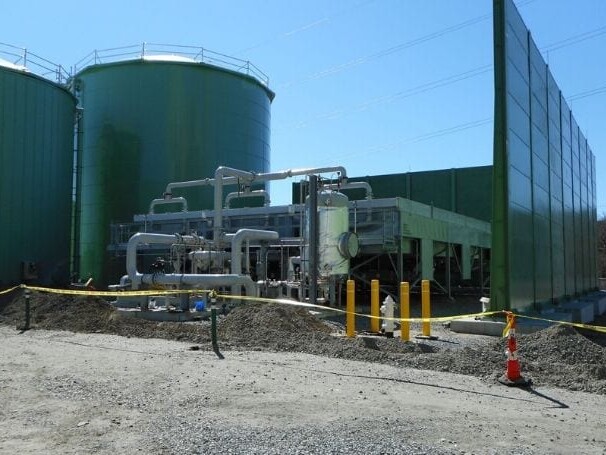
3 Ways to Reduce Noise in the Oil and Gas Industry
Oil and gas acquisition, refinement, and distribution require the work of several complicated machine networks, some of which produce significant harmful noise. Not only do high decibel levels impact nearby neighbors, but prolonged exposure hurts…
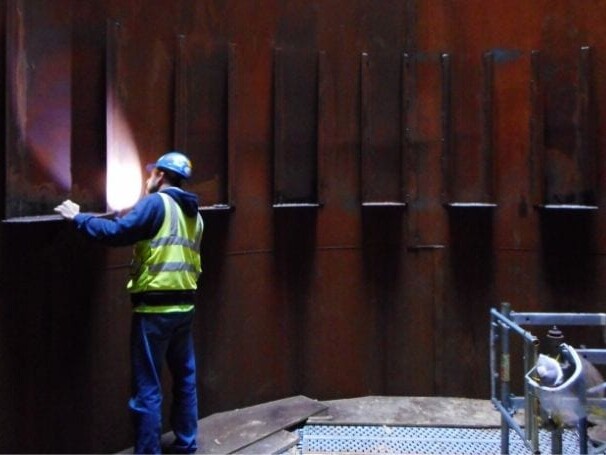
Supporting Essential Industrial Plants
The coronavirus pandemic seized up countless industries, yet some, including power plants and other industrial firms, remain open. The government deems them “essential,” which means they are exempt from state shelter-in-place orders that shutter…

The Effect of Inlet Air Cooling on Gas Turbine Efficiency
Gas turbines combust fuel and air to create significant heat. The resulting exhaust gases turn turbine rotor blades and create power. It’s vital to maintain precise conditions to ensure this reaction occurs consistently without unduly taxing the…
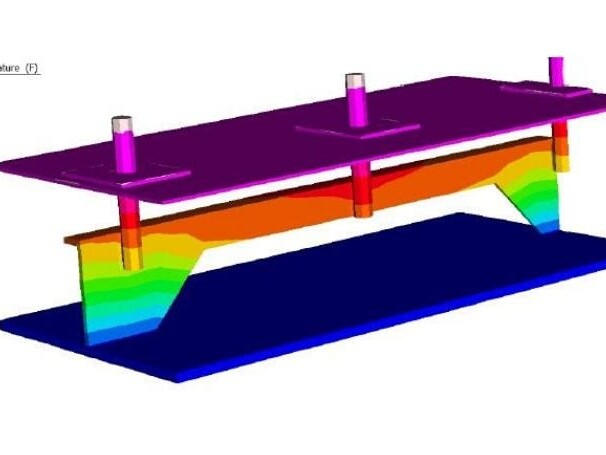
The Importance of FEA in Oil and Gas Applications
Finite element analysis, or FEA, arose from engineers’ need to understand how different structures and materials would respond in certain conditions. Cities needed to understand how a bridge would hold up in high winds without having to build it to…
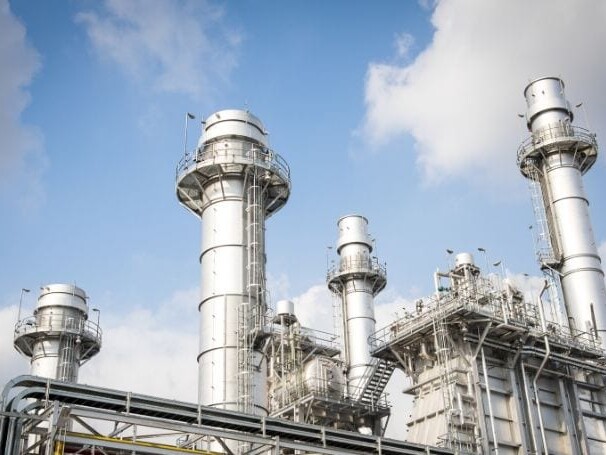
Types of Catalysts for SCR Operations
Nitrogen oxides, or NOx, are common pollutants that produce a bevy of harmful environmental effects. They, along with sulfur dioxide and other particles, form acid rain that damages many animals’ habitats. Also, nitrogen oxides are one of several…

The Importance of Using Acoustic Enclosures in Factories
Noise travels in waves through the air, vibrating air particles along the way. If there isn’t a barrier to prevent it, noises sometimes travel over considerable distances until they reach someone who can detect the noise. The trouble is, if…
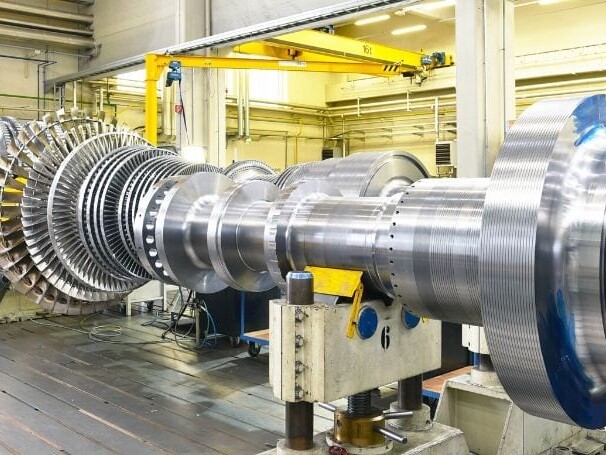
The Difference Between Steam and Gas Turbines
Power plants create electricity by one of several means. Two common elements used to create electricity are steam and gas, each of which require a different apparatus and operating condition to maximize performance. Here’s a brief guide to the…

Why Gas Turbine Silencers Are Necessary
In recent decades, industrial silencer usage spiked for several reasons, the foundational reason being its ability to mitigate noise. To learn more about why gas turbine silencers are necessary, read our guide on the topic.
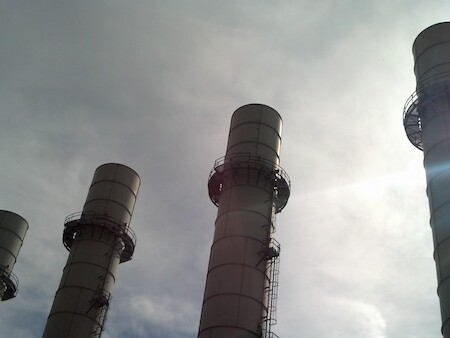
The Importance of the Clean Air Act
The US passed the Clean Air Act (CAA) in 1970. Since then, this piece of legislation has drastically changed how American industries and people interact with the environment. The CAA formed the Environmental Protection Agency (EPA), which received…
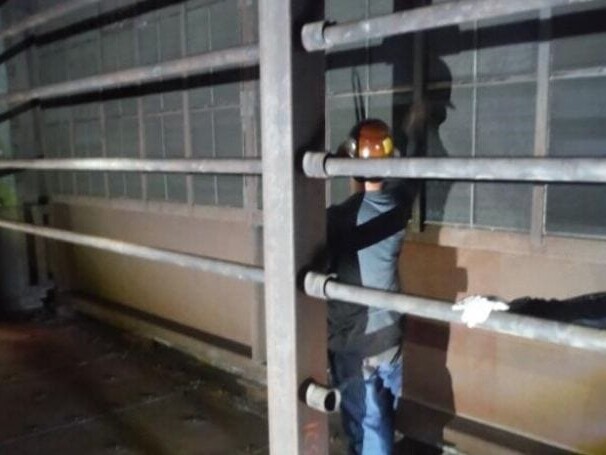
The Difference Between SNCR and SCR
When deciding how to address NOx emissions in your facility, it might be difficult to pick between Selective Catalytic Reduction (SCR) and Selective Non-Catalytic Reduction (SNCR) systems. The process behind each is similar, but they work…
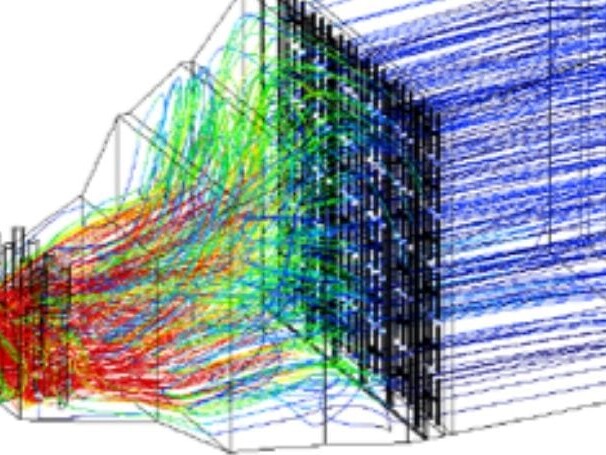
Factors Affecting SCR Performance
Selective Catalytic Reduction (SCR) is a vital process that gets rid of toxic NOx before it can join the atmosphere. Several moving parts must effectively work in tandem to cut down on as much NOx as possible. Read on to learn about factors…
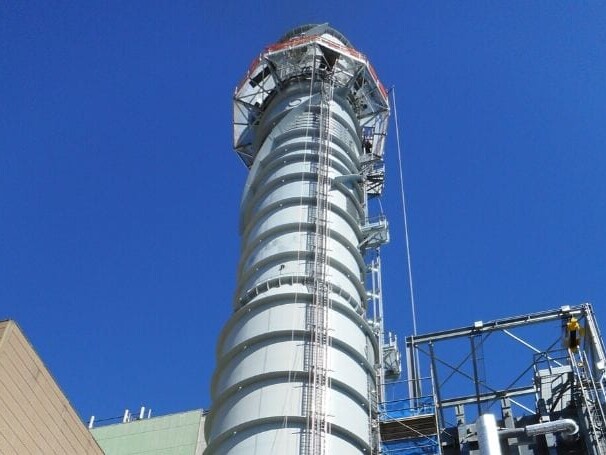
How to Minimize NOx Emissions in Gas Turbines
Eliminating pollutant emission is a lofty goal for an industrial facility. Discover how to minimize NOx emission in gas turbines specifically by reading our explanation of the various processes utilized. You can even learn the optimal setup for…