

Why Gas Turbine Silencers Are Necessary
In recent decades, industrial silencer usage spiked for several reasons, the foundational reason being its ability to mitigate noise. To learn more about why gas turbine silencers are necessary, read our guide on the topic.
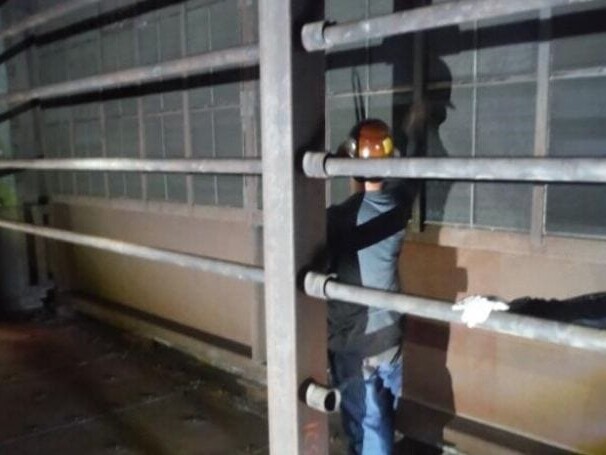
The Difference Between SNCR and SCR
When deciding how to address NOx emissions in your facility, it might be difficult to pick between Selective Catalytic Reduction (SCR) and Selective Non-Catalytic Reduction (SNCR) systems. The process behind each is similar, but they work…
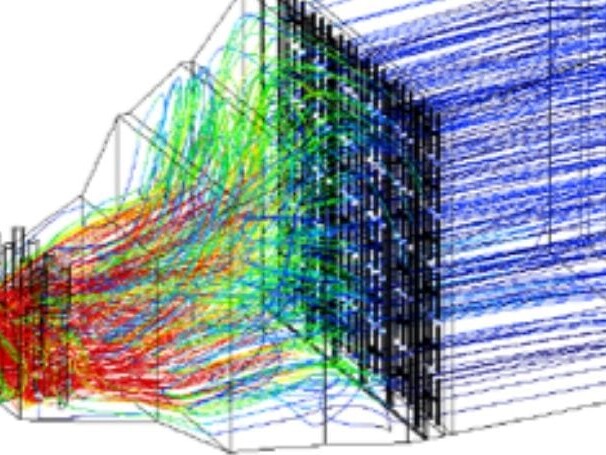
Factors Affecting SCR Performance
Selective Catalytic Reduction (SCR) is a vital process that gets rid of toxic NOx before it can join the atmosphere. Several moving parts must effectively work in tandem to cut down on as much NOx as possible. Read on to learn about factors…
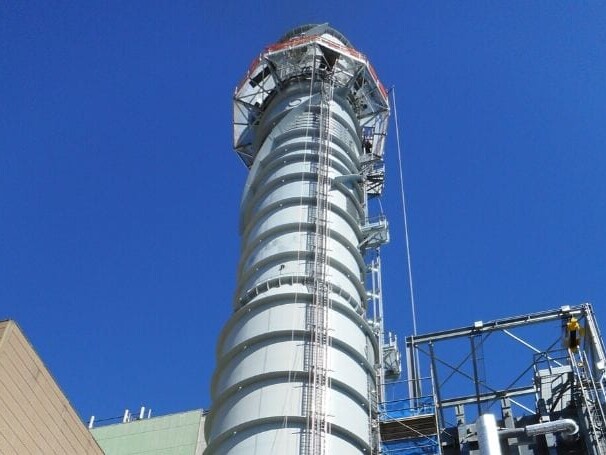
How to Minimize NOx Emissions in Gas Turbines
Eliminating pollutant emission is a lofty goal for an industrial facility. Discover how to minimize NOx emission in gas turbines specifically by reading our explanation of the various processes utilized. You can even learn the optimal setup for…
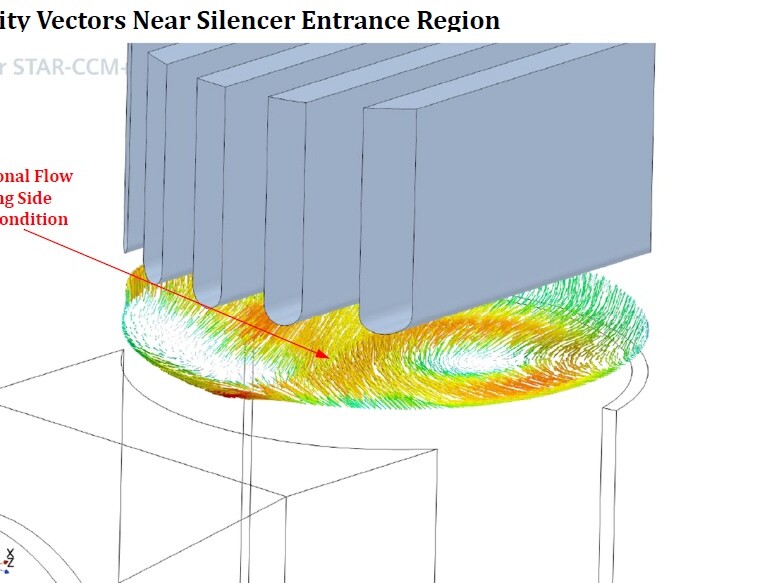
Considerations for Replacing a Gas Path Silencer
A gas turbine exhaust system is an integral component of a gas turbine system. These exhausts create rotational movements that convert gases and liquid fuels into mechanical energy. While these systems are extremely important, they do not come…
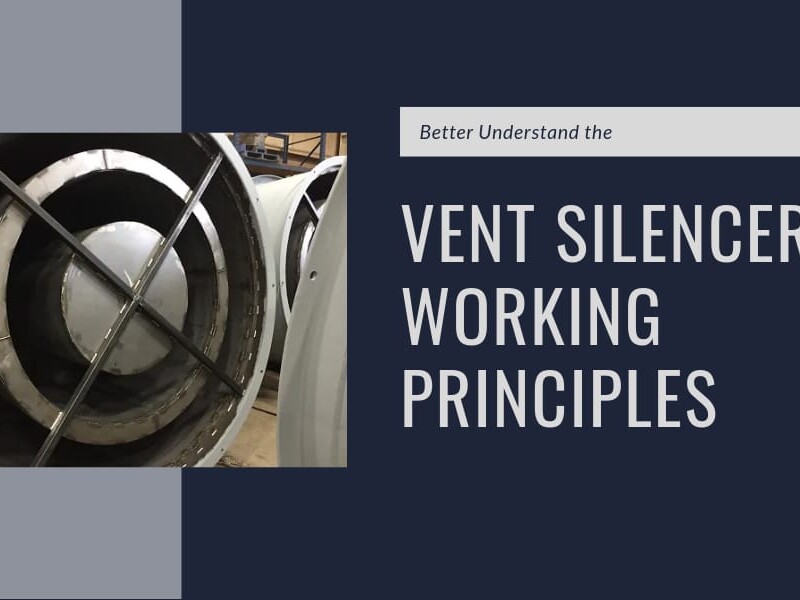
Better Understand the Vent Silencer Working Principles
In modern power plants, the need to safely depressurize systems and release steam is vital to a healthy operation. The speeds at which the steam releases can cause an enormous amount of noise pollution. This pollution could be hazardous to workers…
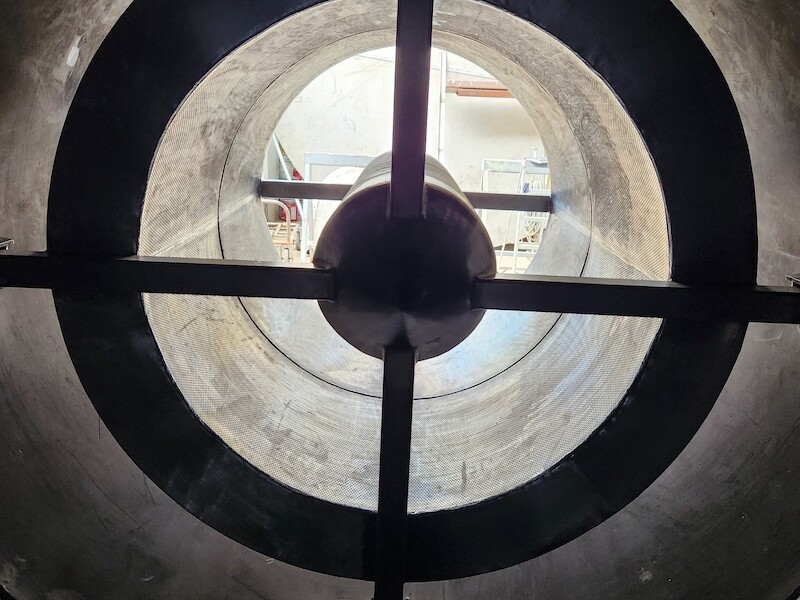
Five Types of Industrial Silencers Used for Noise Control
Noise-induced hearing loss is a significant health concern for individuals working in the manufacturing industry. Over 40 million people in the United States currently experience some form of hearing loss. Among these individuals, nearly 10 million…